
MCSR Athletics Program


















Transforming Athletic Culture. Developing Leaders. Preventing Violence.
Athletic departments have enormous influence on campus culture. MCSR helps turn that influence into leadership.
MCSR’s Athletics Program partners with secondary schools, colleges, and universities to equip student-athletes, coaches, athletic staff, administrators, and campus leaders with the knowledge, skills, and abilities to prevent gender-based violence and create healthier, more respectful athletic and campus cultures.
Our approach is strength-based, interactive, and rooted in the real experiences of athletic communities. Rather than approaching participants solely through the lens of risk or violence, we recognize their capacity to lead, influence their peers, challenge harmful norms, and create positive change.
Through engaging training, storytelling, dialogue, mentoring, and practical exercises, MCSR creates opportunities for student-athletes and athletic department professionals to examine how masculinity, gender norms, relationships, and team culture influence behavior—and to develop healthier ways of showing up as leaders within their teams, departments, campuses, and communities.
From Awareness to Action
MCSR training goes beyond simply providing information.
Participants develop tangible knowledge, practical skills, and the ability to put those skills into action—on the field, in the locker room, in the classroom, across the athletic department, and throughout their communities.
What Participants Gain
KNOWLEDGE
Build a deeper understanding of masculinity, relationships, team culture, and violence prevention.
Participants increase their knowledge of:
Healthy and unhealthy masculinity
The connection between masculinity and gender-based violence
Dominant and counter-narratives of masculinity on campus and in the community
Social and emotional intelligence
Intersectionality and healthy masculinities
Healthy masculinity and bystander intervention
The Social Ecological Model and Spectrum of Prevention
Effective approaches for engaging student-athletes, coaches, athletic staff, and administrators
Individual and group mentoring strategies
The result: Participants develop a stronger understanding of the social and cultural factors that shape behavior—and their role in creating change.
SKILLS
Turn knowledge into behaviors that influence people, teams, and culture.
Participants develop the skills to:
Design and implement strategic violence-prevention programming
Engage diverse audiences through credible messengers and culturally relevant approaches
Recognize and challenge unhealthy gender norms and behaviors
Model and teach social and emotional intelligence
Help student-athletes and other members of the athletic community identify the difference between healthy and unhealthy masculine expectations
Inspire members of the athletic community to practice behaviors that strengthen individuals, relationships, teams, and communities
Connect healthy masculinity to bystander intervention and teach practical intervention strategies
Facilitate meaningful conversations about accountability, consent, relationships, respect, and leadership
The result: Participants are better prepared to move from conversation to action and use their influence to positively shape the culture around them.
ABILITIES
Build the confidence and capacity to lead lasting change.
Participants strengthen their ability to:
Communicate with confidence and authenticity
Facilitate meaningful conversations about violence prevention and healthy masculinity
Design and deliver engaging trainings, workshops, and presentations
Develop programming that meets the needs of student-athletes, coaches, staff, and the broader athletic department
Establish healthy professional boundaries within athletic environments
Build trust and create safer spaces for dialogue and learning
Use personal storytelling to connect with audiences and build sustainable relationships
Serve as credible messengers and leaders within their teams, athletic departments, and communities
The result: Participants leave with greater confidence and the capacity to become influential leaders for healthier athletic and campus cultures.
The MCSR Difference
We Don't Just Deliver Training. We Develop Leaders and Transform Athletic Culture.
MCSR understands that athletic departments can be a powerful force in shaping how people understand leadership, relationships, masculinity, accountability, and respect.
That is why our training doesn't simply tell student-athletes, coaches, or athletic staff what not to do.
We help them understand who they can become—and the culture they can help create.
Using storytelling, facilitated dialogue, interactive exercises, mentoring, and real-world scenarios, MCSR creates an environment where members of the athletic community can reflect on their experiences, challenge assumptions, build emotional intelligence, and develop practical strategies for becoming positive influencers among their peers.
Our strength-based approach positions the entire athletic department as a partner in prevention and a leader in culture change.
Participants learn to:
Recognize
How gender norms, team culture, peer influence, and social expectations can shape behavior.
Reflect
On their own experiences, beliefs, relationships, and understanding of masculinity.
Respond
With practical strategies for communication, accountability, bystander intervention, and healthy relationships.
Lead
By using their voice, influence, and experiences to create healthier teams, athletic departments, campuses, and communities.
Creating Impact Beyond the Training Room
The goal isn't simply for participants to remember a training.
The goal is for the training to change what happens next.
MCSR helps athletic departments build a culture in which student-athletes, coaches, athletic staff, and administrators are better equipped to:
Have healthier conversations about masculinity and relationships
Recognize and interrupt harmful behaviors
Support peers and survivors
Practice accountability
Promote respect and consent
Strengthen emotional intelligence
Become positive role models
Create healthier team environments
Contribute to a safer and more inclusive campus culture
A Culture Change Approach
MCSR works with athletic departments and campus partners to move from one-time training to sustained culture change.
Our approach can support:
Student-Athletes → Coaches → Athletic Staff → Administrators → Teams → Athletic Departments → Campus Communities
When the people with the greatest influence are equipped to lead differently, the impact can extend far beyond the individuals who participate in the training.
Build the Athletic Department Your Campus Needs
Every member of an athletic department has the potential to influence culture. MCSR helps turn that influence into leadership.
Partner with MCSR to equip your student-athletes, coaches, athletic staff, and administrators with the knowledge, skills, and abilities to promote healthy masculinity, prevent gender-based violence, strengthen relationships, and build a culture where everyone can thrive.
Bring MCSR Athletics Training to Your Campus!
Jason Page
Senior Director of National programs
(202)265-6530
Jpage@Mcsr.org
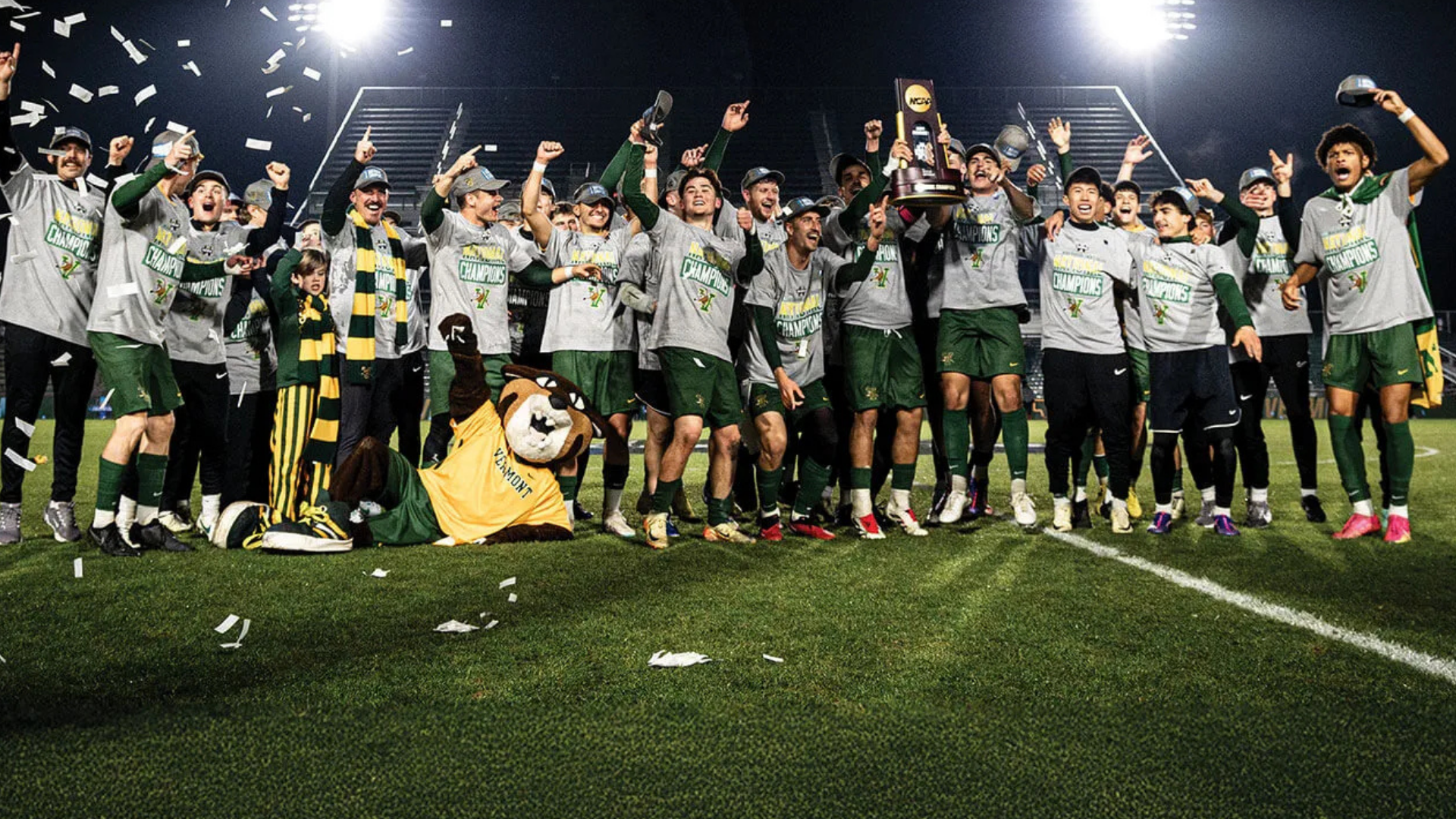
“THANK you for coming and speaking to the student-athletes at uvm! I’ve never felt so hopeful having a conversation like the one we had, and the impact was so grand … everyone felt so inspired and ready to take more action after receiving a new narrative.”
—Eleanor, University of Vermont Athletics

Our Campus Partnerships
To date, we’ve served over 20 campuses in this capacity, including American University, Baylor University, Bowie State University, The College of New Jersey, Doane University, Finlandia University, Georgian Court University, Goucher College, Howard University, John Jay College of Criminal Justice, Joliet Junior College, Juniata College, Loyola University Maryland, Mount Saint Vincent University, New Mexico Highlands University, North Carolina A&T University, Northern Kentucky University, Occidental College, St. John’s University, Slippery Rock University, University of California-Santa Barbara, University of Delaware, University of the District of Columbia, University of Idaho, University of Maryland – College Park, University of Richmond, University of Toledo, University of Vermont, Upper Iowa University, Utah State University, Virginia Commonwealth University, West Virginia University, Wheaton College, Winona State University, and Western Oregon University. Click here to learn more about our past client relationships, photos, testimonials, resources, workshops, trainings, TA, etc..